
Foundational R&D
Start with application problems and study technical approaches and system interactions.
STELLAR / CHIPS & HARDWARE
Stellar develops and supplies foundational technology, working with third-party partners on chips and hardware. Real AI workloads guide research towards technology and products that can be validated and integrated.
Start with application problems and study technical approaches and system interactions.
Work with partners on engineering and integration within an agreed project scope.
Advance through research and validation, introducing results as they mature.
AI HARDWARE / THE PROBLEM
Our AI storage exploration provides an example: training requires a continuous supply of data, plus saving and restoring progress. When the data path cannot keep pace, computation may have to wait.
Read and prepare the data required by a task.
Keep data moving to the processing stage.
Run training or other AI tasks.
Write state so interrupted work can resume.
HARDWARE / RESEARCH FOCUS
Storage exploration is a public entry point into our research. We consider components as part of an AI system and evaluate their value in actual tasks.
Study sustained reads, access latency and data preparation to understand where a workflow waits.
Examine continuous writes, saving and recovery, with attention to performance and stability over time.
Consider components, software and operating conditions together, connecting research to integration and practical use.
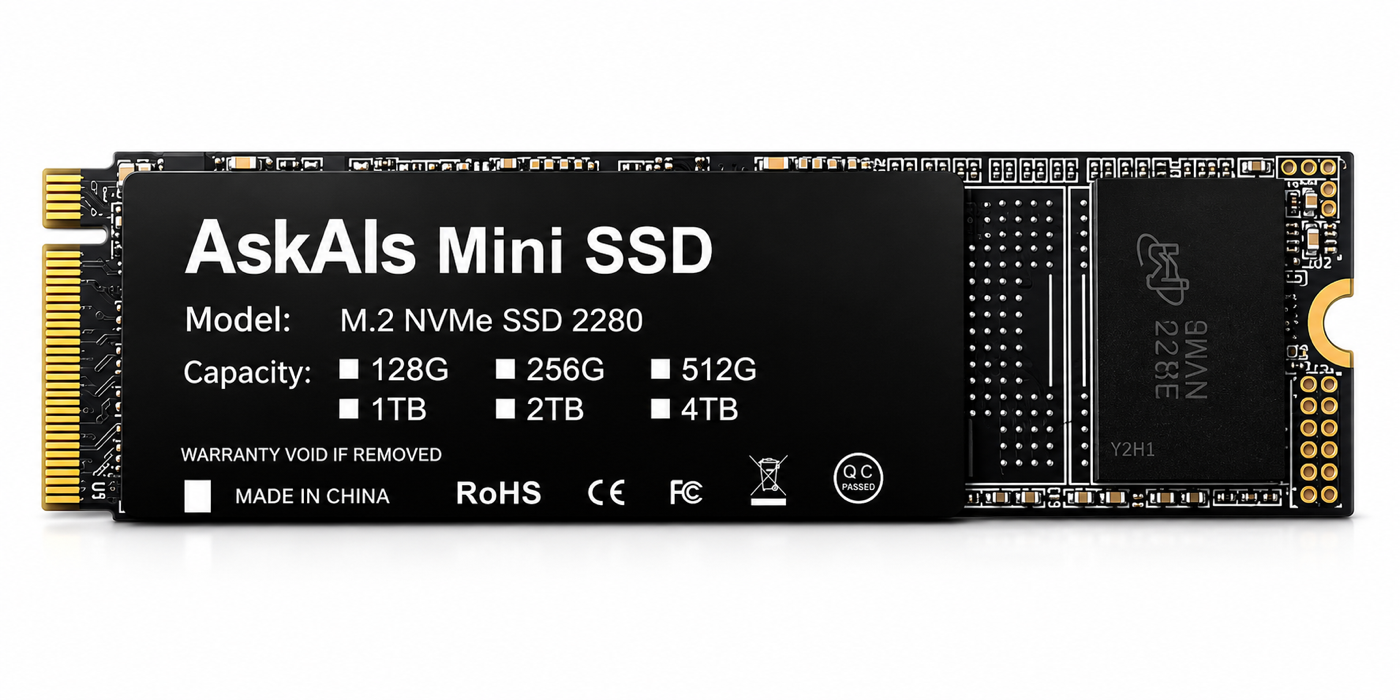 RESEARCH MATERIAL / HISTORICAL PROJECT
RESEARCH / MINI SSD
The Mini SSD material records how model workloads led us to examine data supply, checkpoints and sustained access. It is a starting point for understanding this research path.
COLLABORATION / RESPONSIBILITIES
Stellar’s role is foundational R&D and technology supply. Third-party collaboration connects engineering capabilities, with responsibilities agreed for each project.
| Participant | Role | Scope to discuss |
|---|---|---|
| Stellar | Research & technology supply | Application requirements, technical direction and integration of research results. |
| Third-party partners | Engineering & product integration | Engineering implementation, system integration and delivery responsibilities within the project. |
| Joint work | Validation & release | Test conditions, result documentation, release and ongoing support arrangements. |
ENGINEERING / EVALUATION
AI storage and hardware research requires more than a short peak-performance test. Evaluation needs a stated environment, task and method to make results meaningful.
Throughput and latency across sustained access and task execution.
Behavior under prolonged workloads, writing demands and exceptions.
How operating conditions affect performance and deployment.
Interaction with hosts, software and system data paths.
These are research and evaluation dimensions. Product-specific metrics and results will accompany the relevant published materials.
HARDWARE / ROAD TO RELEASE
Collaborations progress according to actual results. Each stage needs evidence that explains the application, the result and the next step.
Align workloads, user needs and technical direction around an approach that can be evaluated.
Agree responsibilities with partners and progress implementation, integration and testing.
Publish technology, specifications, evaluation conditions and supply arrangements as results mature.
Developing hardware, integrating systems or working with an AI workload? Discuss your needs with us. Collaboration starts with the application, technical scope and capabilities each party can bring.
QUESTIONS / ANSWERS
Our role in this business is foundational technology research and supply, in collaboration with third parties. Engineering, integration and delivery responsibilities are defined for each project.
This page preserves Mini SSD as research material. Contact the team for current models, specifications and supply status. Plans in historical articles do not represent current availability.
Start with your needs and existing systems to define the appropriate research, technology supply or engineering collaboration. Deliverables, delivery methods and support are agreed for each project.
We will publish research, product and partnership updates on the website and Blog as results develop. Subscribe through RSS to follow them.
Technology & business updates
Read about the technical questions behind Mini SSD.
Explore AI storage workloads and evaluation methods.
Understand storage-to-GPU data paths and system design.